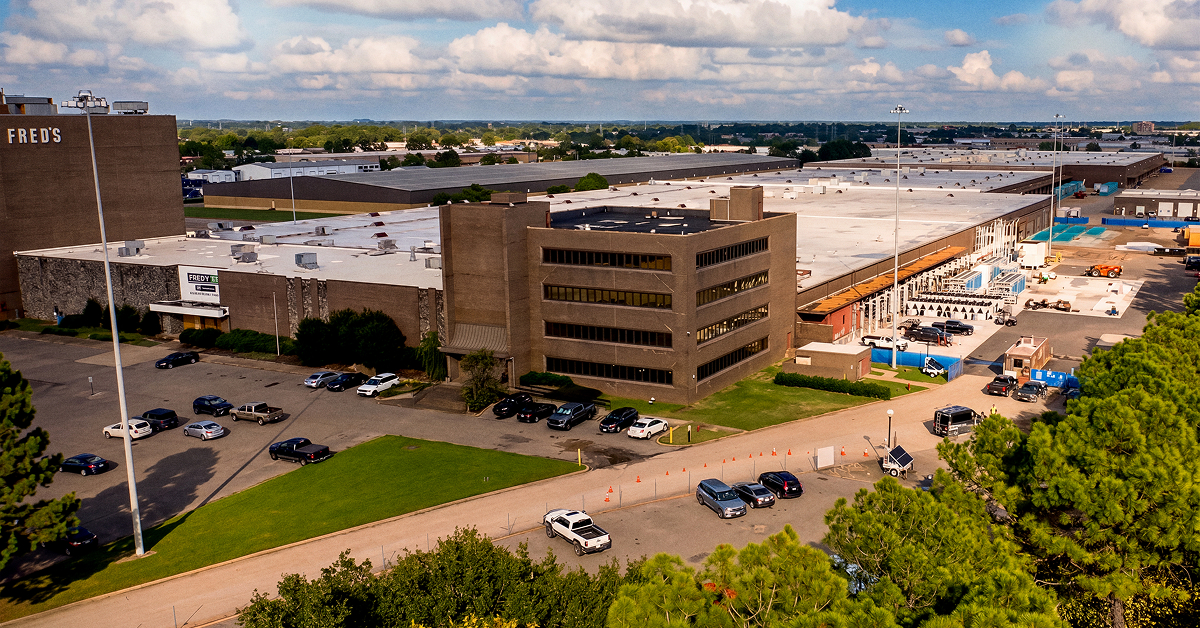
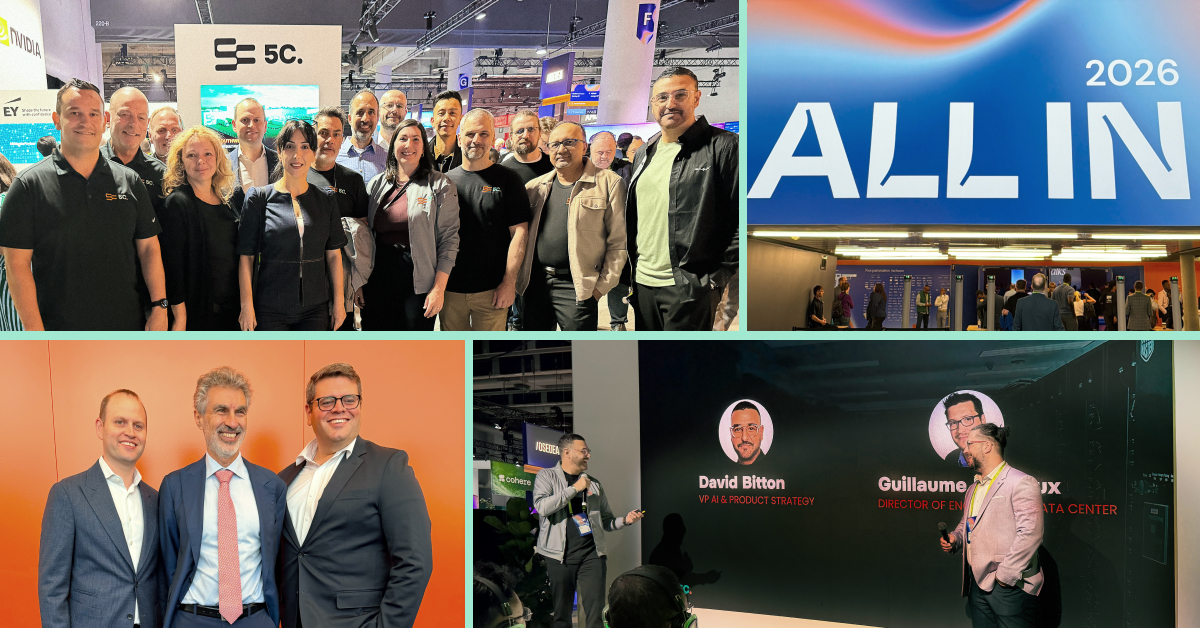
This summer, 5C spent weeks on the road, from OCP Canada Tech Day in Montreal to VivaTech and the RAISE Summit in Paris, engaging with the people shaping the physical infrastructure behind AI: engineers, technology partners, industry leaders, and the communities where this infrastructure is being built. Here are some key takeaways from the sessions and conversations along the way that are worth revisiting.
OCP CANADA TECH DAY, MONTREAL
For years, a low number of Requests for Information was often viewed as evidence of a well-developed design: fewer unknowns, fewer changes, and fewer deviations once construction began.
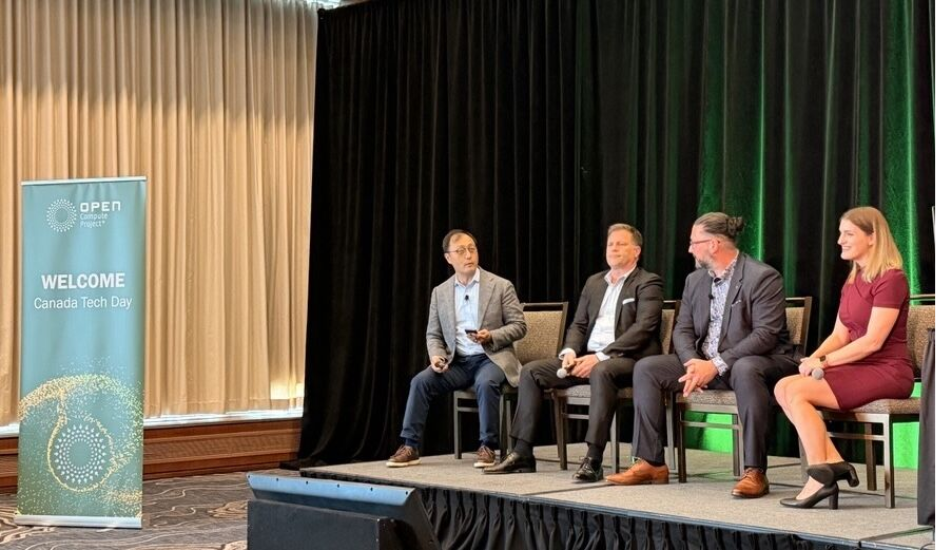
AI infrastructure is changing that model. The speed of technology development is reshaping how teams approach planning, design, and execution.
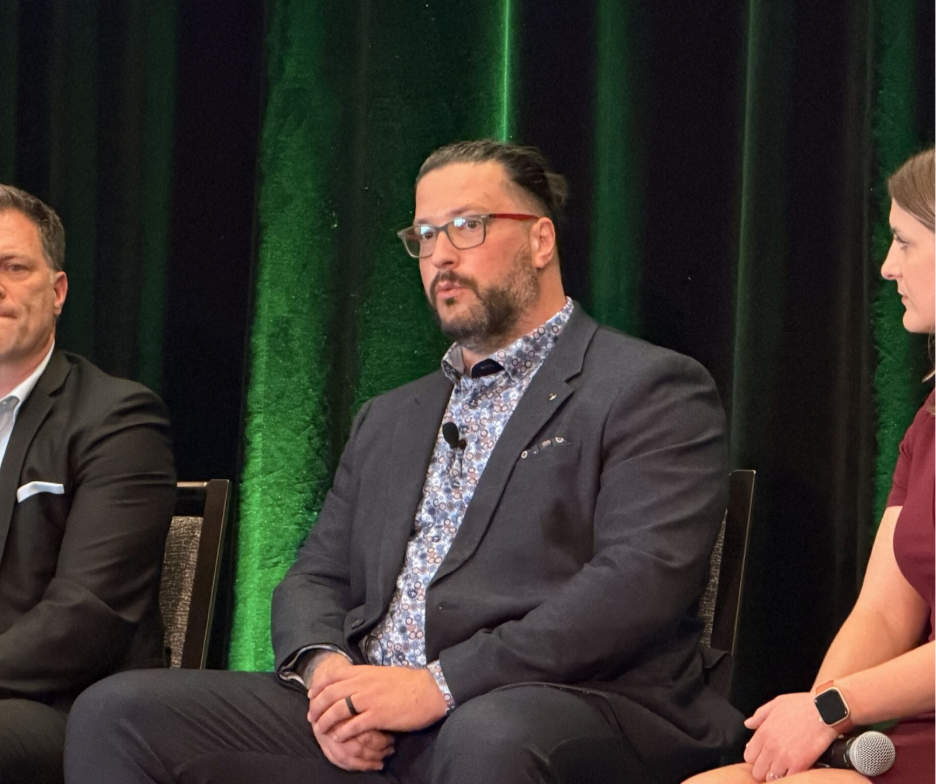
At OCP Canada Tech Day in Montreal, Guillaume Lemieux, who spent a decade working on Data Center Infrastructure at Facebook and AWS before moving into AI data centers, described design changes implemented in response to evolving project requirements as an increasingly normal operating reality.
This reflects the speed at which computing platforms, rack densities, cooling requirements, and equipment availability are evolving.
The opportunity is to design systems that are not only robust, but adaptable. Floor plans may shift. Power densities may increase. Cooling infrastructure may need to support a new generation of racks before the facility is even complete.
As Guillaume noted, modularity and adaptability are becoming essential: avoiding designs that lock teams into a corner, building sufficient capacity where possible, and making future retrofits or equipment changes easier to execute.
Supply-chain variability reinforces the value of this approach. Equipment that may have carried a 16-week lead time can suddenly move to 40 weeks, making responsiveness and flexibility increasingly valuable.
The objective is to build infrastructure that can adapt confidently as requirements evolve.
VIVATECH 2026, PARIS
At VivaTech in Paris, David Bitton, VP of AI and Product Strategy at 5C took the stage to highlight another important shift: the data center can no longer be treated simply as real estate that supports computing equipment.
Rack densities have increased dramatically over the past decade, with today’s AI systems pushing well beyond traditional data center design assumptions and even higher-density architectures already emerging.
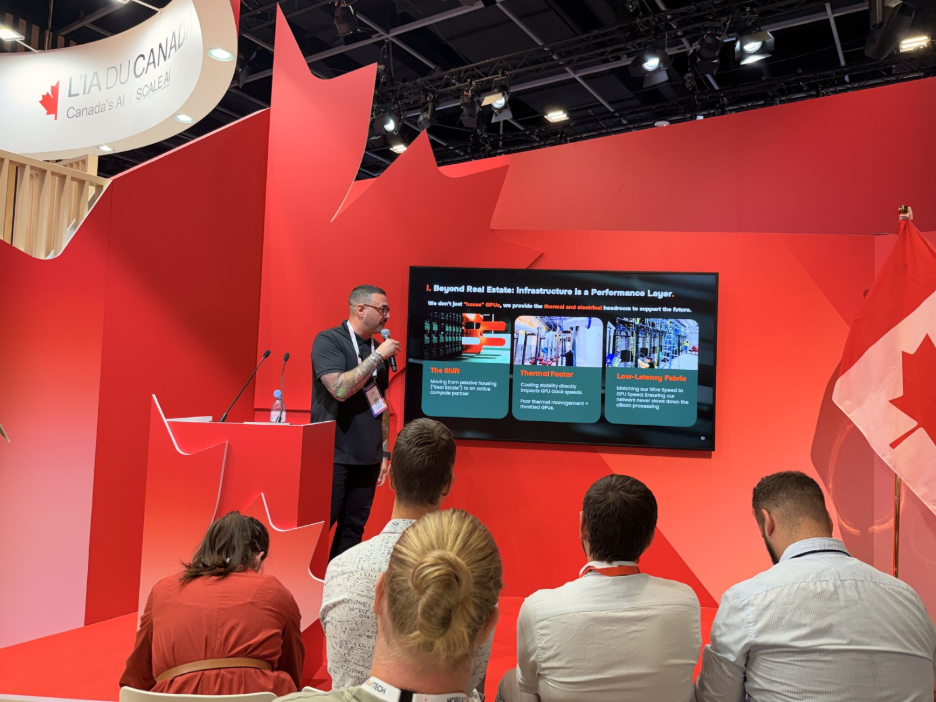
Traditional air cooling was not designed for these conditions. Direct-liquid cooling is therefore moving rapidly from an emerging technology toward a foundational element of AI infrastructure. Teams are also exploring warmer-water cooling approaches that can reduce energy requirements while supporting the thermal demands of increasingly dense systems.
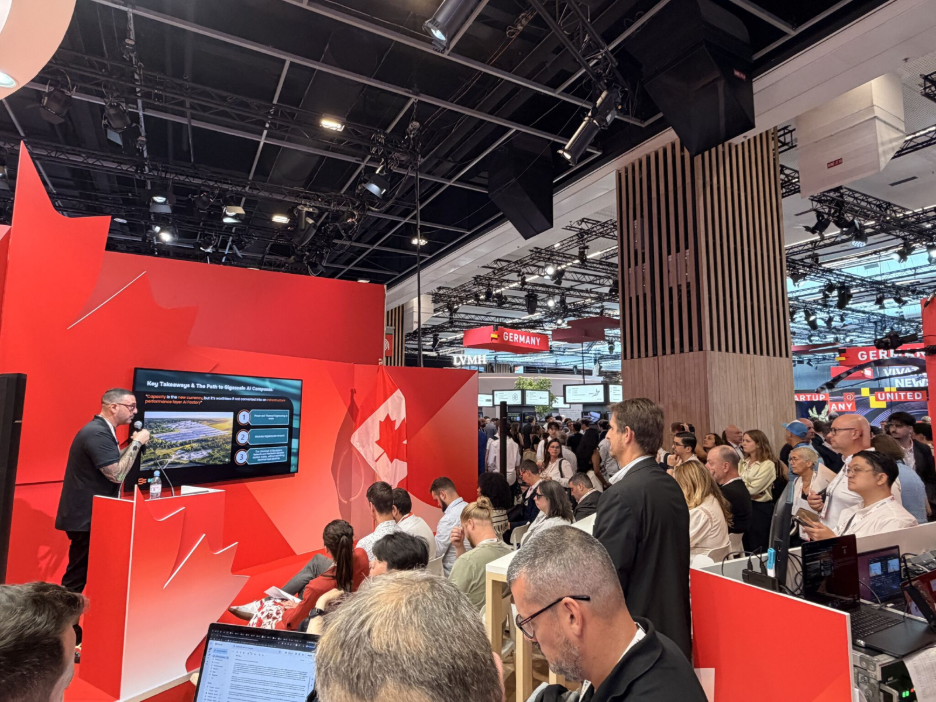
As David put it:
“In 2026, if your infrastructure isn't a performance layer, it's a bottleneck.”
The implication is significant. Infrastructure is no longer simply overhead. Properly engineered, it becomes a competitive advantage capable of influencing the performance, efficiency, and scalability of the compute environment itself. Construction sequencing is evolving accordingly.
Instead of completing the building shell before beginning major power and cooling installations, high-velocity projects are increasingly prefabricating power skids and cooling modules off-site while the core and shell are developed in parallel.
The result is the potential to compress development schedules.
At the same time, facilities must account for a hardware roadmap that remains highly dynamic. The infrastructure being designed today may ultimately support NVIDIA Vera Rubin, AMD Helios, or platforms that have not yet been announced.
That requires a different architectural philosophy: campuses built around adaptable infrastructure “sockets” capable of supporting multiple technology generations and scaling from large GPU clusters to increasingly massive deployments without requiring a fundamental redesign.
RAISE SUMMIT, PARIS
At the RAISE Summit in Paris, the conversation expanded beyond infrastructure performance to another critical dimension of AI development: how large-scale projects interact with the communities and systems around them.
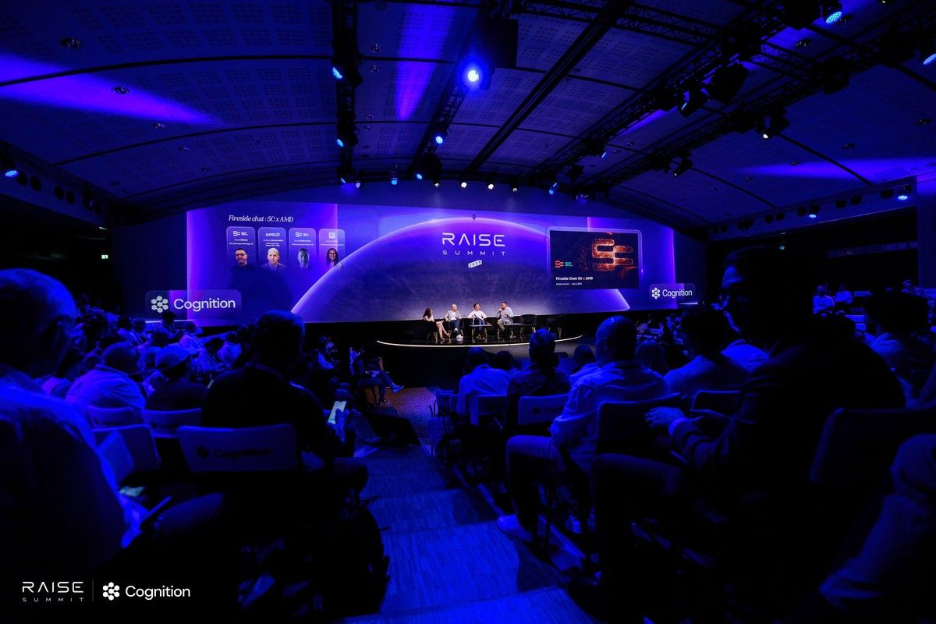
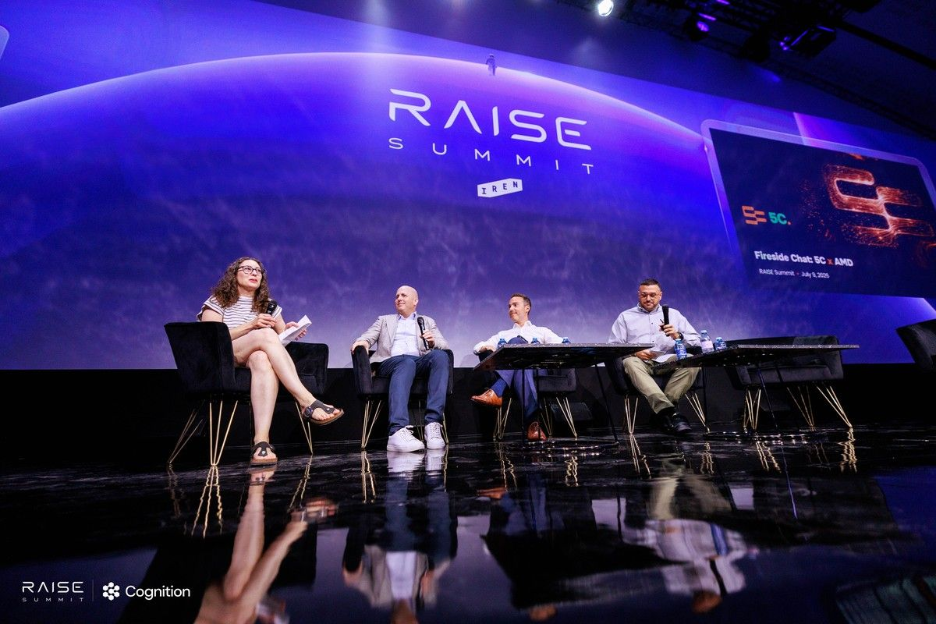
David Dubrovsky, CIO of 5C, highlighted the importance of community considerations during a fireside conversation with AMD’s Andrew Dieckmann. He emphasized that large infrastructure projects benefit from early engagement and transparent planning, with local priorities considered alongside infrastructure requirements.
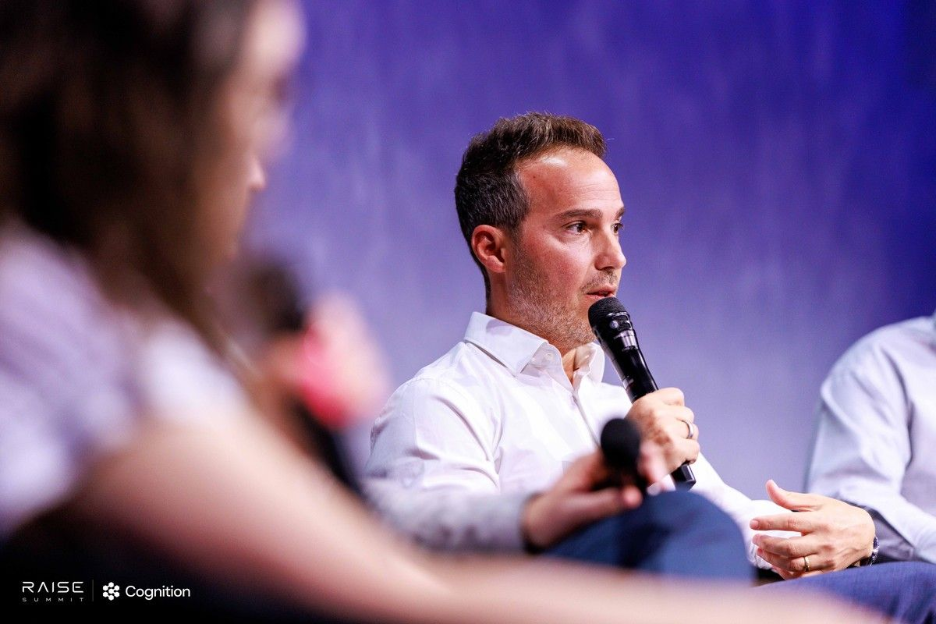
Operational complexity is also opening new possibilities for intelligent automation.
Power demand across large AI clusters can vary significantly and rapidly In response, operators are developing AI-driven systems capable of monitoring power, cooling, and hardware conditions simultaneously and making adjustments in real time.
It is a compelling example of AI helping improve the performance, efficiency, and resilience of the infrastructure it depends on.

As AI infrastructure continues to evolve, adaptability, collaboration, and thoughtful planning will remain central to how the industry moves forward.
.jpg)
.jpg)